What Causes Dental Implant Failure? Key Dental Implant Failure Signs and Prevention
Dental implants boast a success rate exceeding 95% worldwide. They serve as the gold standard for replacing missing teeth by restoring both natural aesthetics and chewing function. However, like any surgical procedure, complications can occasionally arise. Recognizing early dental implant failure signs empowers patients to seek timely intervention and protect their investment. At SN Healthcare…
Dental implants boast a success rate exceeding 95% worldwide. They serve as the gold standard for replacing missing teeth by restoring both natural aesthetics and chewing function. However, like any surgical procedure, complications can occasionally arise. Recognizing early dental implant failure signs empowers patients to seek timely intervention and protect their investment.
At SN Healthcare in Multan, our expert team provides advanced oral care under the direction of Asst. Prof. Dr. Shahzad Hussain. Patients receiving high-quality dental implants in Multan benefit from meticulous surgical planning and dedicated long-term post-operative monitoring. Understanding why failures occur and knowing what red flags to monitor ensures your restoration remains secure and functional for life.
Dental Implant Failure Signs and Early Warning Indicators
Dental implant failure occurs when the titanium post fails to integrate with the jawbone or experiences surrounding tissue destruction. Recognized dental implant failure signs include persistent pain, localized swelling, gum bleeding, implant mobility, and severe pus drainage caused by infection or mechanical overloading around the surgical site.
Early detection of complications dramatically improves the likelihood of saving an affected implant. While mild discomfort is normal immediately after surgery, persistent or worsening symptoms signal a underlying problem that requires immediate specialist evaluation.
Critical Dental Implant Failure Signs Every Patient Must Watch For
Dental implant failure typically presents in two distinct phases: early failure during the healing phase, or late failure months to years after successful restoration.
Patients should carefully monitor their oral recovery and watch out for these primary warning indicators:
- Implant Mobility: A stable dental implant should never move. Any slight movement, wobble, or shifting under bite pressure indicates an integration issue or structural damage.
- Severe or Persistent Pain: Mild post-operative pain fades within a few days. Sharp, throbbing, or continuous pain weeks after surgery indicates nerve irritation, pressure build-up, or deep tissue infection.
- Gingival Swelling and Receding Gums: Inflammatory swelling, persistent redness, or pulling away of the gumline around the titanium post exposes the metal collar and invites bacterial colonization.
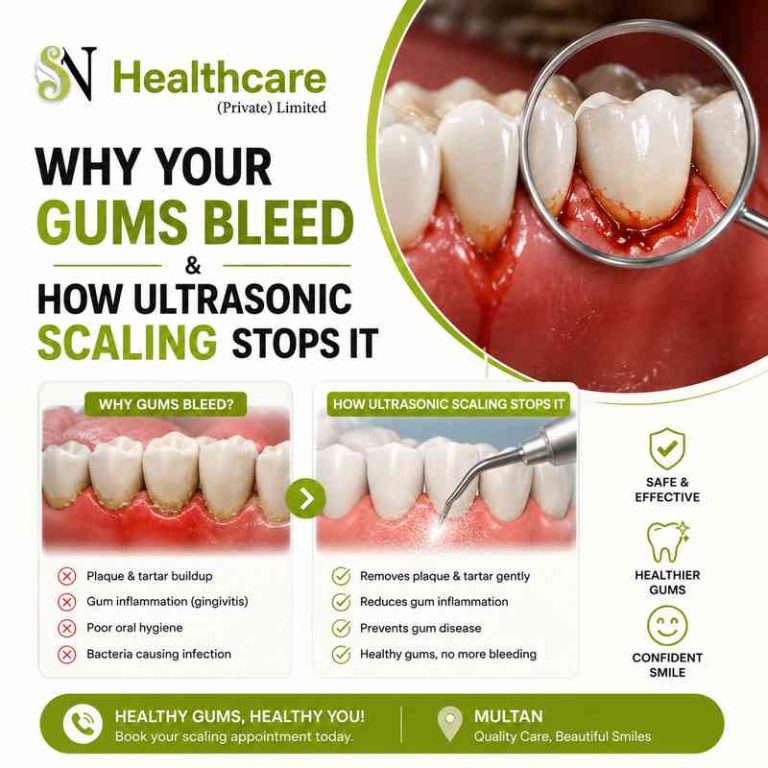
- Suppuration and Bleeding: Pus discharge or chronic bleeding around the implant neck when brushing or chewing points directly to active infection.
- Difficulty Chewing or Biting: Pain or awkward pressure sensation when biting down on soft or solid foods often signals mechanical overload or bone loss.
Primary Causes of Dental Implant Failure
Understanding the biological and mechanical factors behind implant complications helps patients take proactive steps during recovery. Medical research highlights several major causes that compromise implant integrity.
+-----------------------------------------------------------------------+
|                       PRIMARY IMPLANT CAUSES                          |
+------------------------------------+----------------------------------+
| Biological Causes                  | Mechanical & Systemic Causes     |
+------------------------------------+----------------------------------+
| • Peri-implantitis infection       | • Loose implant screw or fixture |
| • Osseointegration failure         | • Excessive occlusal forces      |
| • Poor bone density or quantity    | • Uncontrolled systemic diabetes |
+------------------------------------+----------------------------------+
1. Peri-Implantitis Infection
Peri-implantitis is an inflammatory condition affecting the soft and hard tissues surrounding an implant. Pathogenic bacteria accumulate on the implant surface, creating biofilms that destroy supporting bone structures. According to a clinical study published by the National Center for Biotechnology Information, untreated peri-implantitis remains the leading biological cause of late implant loss.
2. Osseointegration Failure
Osseointegration is the physiological process where living bone cells fuse directly to the titanium surface. Osseointegration failure occurs when the bone fails to form a secure bond around the implant post. Factors contributing to this failure include micro-movements during the initial healing period, poor local blood supply, or overheating of the bone during surgical site preparation.
3. Mechanical Overload and Loose Implant Screw Components
Excessive biting pressure can severely strain the internal mechanical components of an implant restoration. A loose implant screw, damaged abutment, or fractured titanium post can allow bacteria to penetrate internal micro-gaps. Uncontrolled night grinding (bruxism) or uneven biting alignment accelerates mechanical strain, ultimately compromising bone stability.
4. Systemic Health and Lifestyle Factors
Systemic medical conditions directly influence bone metabolism and soft tissue healing response. For instance, managing long-term health concerns requires specialized protocols; learn more about tailored approaches for dental implants for diabetics to understand how controlled blood sugar rates safeguard surgical success. Chronic smoking, heavy alcohol usage, and radiation therapy also significantly lower peripheral blood circulation, raising failure risks.
Early vs. Late Dental Implant Complications
Distinguishing between early and late complications helps clinicians formulate the correct corrective treatment plan. The table below outlines key differences between these two timeline categories:
| Complication Feature | Early Implant Failure | Late Implant Failure |
|---|---|---|
| Timeframe | First 1 to 4 months post-surgery | Months to years after restoration |
| Primary Cause | Lack of initial stability, infection, or poor healing | Peri-implantitis, mechanical overload, or bruxism |
| Key Symptoms | Severe surgical pain, mobility, lack of bone fusion | Receding gums, loose crown, deep pockets, bone loss |
| Typical Treatment | Implant removal, debridement, bone grafting | Deep cleaning, laser therapy, component replacement |
| Prevention Focus | Strict post-op hygiene, resting surgical site | Maintenance cleanings, nightguards, lifestyle control |
How to Prevent Dental Implant Failure
Preventing implant complications requires a combined effort between skilled surgical placement, high-standard prosthetic design, and dedicated daily patient maintenance.
                       PREVENTION FRAMEWORK
                                 │
         ┌───────────────────────┴───────────────────────┐
         ▼                                               ▼
   CLINICAL CARE                                  PATIENT ROUTINE
   • 3D CBCT Planning                             • Interdental Cleaning
   • Precise Placement                            • Oral Hygiene Protocols
   • Regular Inspections                          • Routine Checkups
Choose an Experienced Maxillofacial Specialist
Surgical precision directly dictates long-term success. Asst. Prof. Dr. Shahzad Hussain utilizes modern 3D CBCT diagnostic imaging to evaluate bone density, map nerve pathways, and position implants precisely. Patients seeking restorative treatment should rely on proven expertise when planning dental implants in Multan.
Practice Meticulous Oral Hygiene
Plague accumulation around an implant triggers local tissue breakdown faster than around natural teeth. Patients must brush twice daily using soft-bristled brushes and utilize specialized interdental brushes or water flossers. To learn detailed cleaning techniques, read our practical guide on cleaning and maintaining dental implants for complete home-care instructions.
Schedule Regular Maintenance Checkups
Routine clinical maintenance allows dental professionals to inspect surrounding gum pockets, remove hardened tartar, and verify screw torque before visible damage develops. The American Dental Association recommends professional maintenance cleanings every three to six months for optimal peri-implant health.
What to Do If You Notice Dental Implant Failure Signs
If you spot any emerging dental implant failure signs, take prompt action:
- Avoid Chewing on the Affected Side: Prevent structural damage by reducing mechanical force on the moving or painful implant.
- Maintain Gentle Cleaning: Do not aggressively scrub inflamed gums; use warm salt-water rinses to soothe soft tissues.
- Do Not Ignore Mobility or Pain: Early intervention by a maxillofacial surgeon can often salvage an ailing implant through deep cleaning, local antibiotics, or component adjustments.
Our modern clinic on Masoom Shah Road, Raheem Chowk, Multan, offers complete diagnostic evaluations and corrective treatments for all types of implant complications.
To schedule an urgent evaluation or book your initial consultation, contact SN Healthcare today and let our specialists restore your oral health.
Frequently Asked Questions (FAQs)
Can a failing dental implant be saved?
Yes, doctors can save an ailing dental implant if they catch the issue early. Interventions such as professional deep cleaning, laser debridement, antimicrobial therapy, or replacing loose internal components effectively eliminate bacterial infections and restore structural stability.
What does peri-implantitis feel like?
Peri-implantitis usually starts as painless gum swelling and redness around the implant neck. As bone loss progresses, patients experience tenderness while chewing, bad breath, chronic bleeding during brushing, visible gum recession, and eventually implant looseness.
How do I know if my implant screw is loose?
A loose implant screw causes the attached crown or bridge to wiggle or feel unstable while biting. Patients often feel a slight “clicking” or shifting sensation without experiencing severe surgical bone pain. A quick visit to your dentist allows them to tighten or replace the internal screw safely.